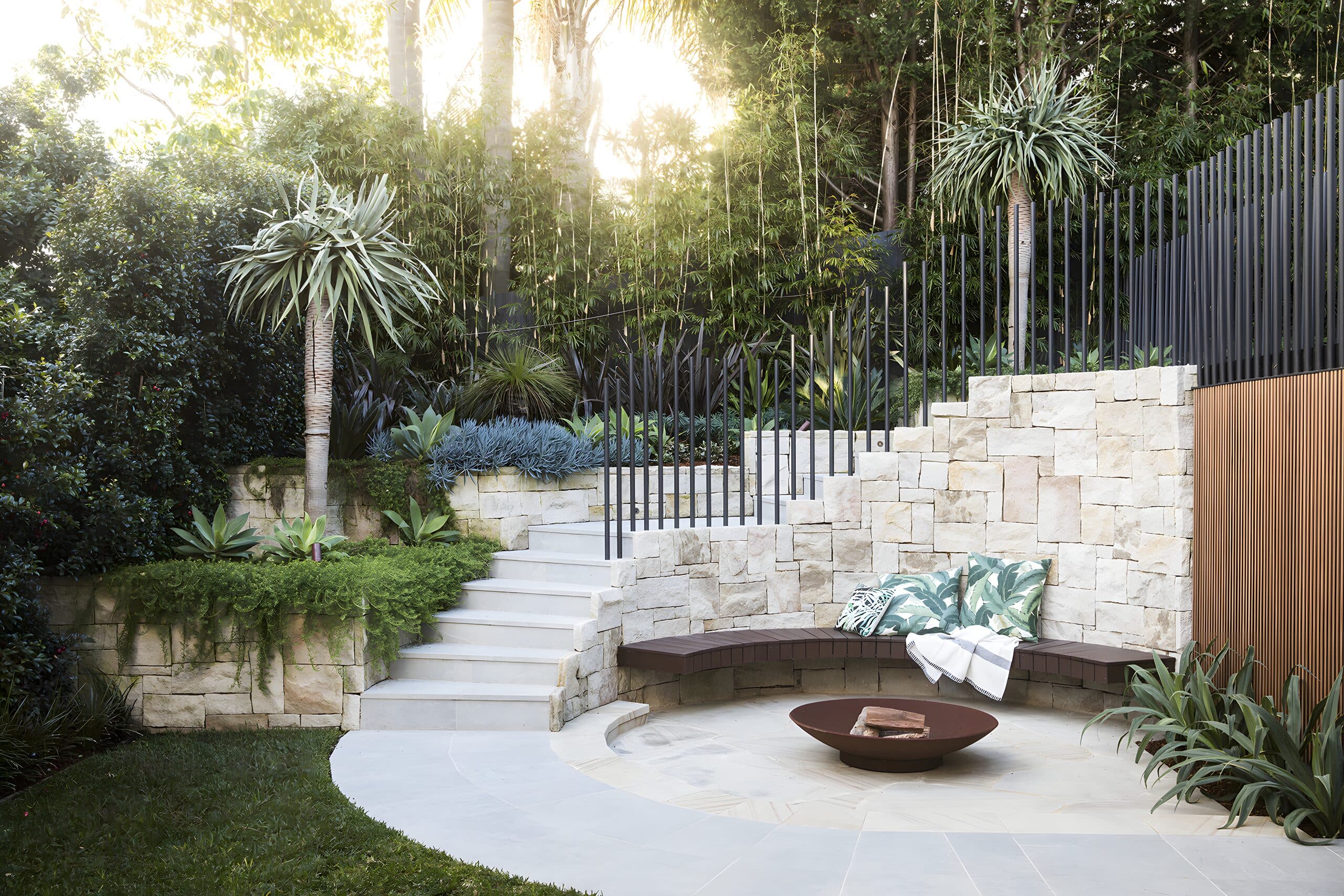
The shade of a mature tree can be one of the most appealing places in a garden. It offers shelter, dappled light and a sense of permanence that takes decades to establish. Yet the ground beneath that canopy is often surprisingly difficult to plant.
The problem is not shade alone. Mature trees intercept rainfall and their established roots compete strongly for moisture, nutrients and growing space. A plant described as “shade loving” may still struggle if it expects rich, consistently moist soil.
Successful planting beneath a tree begins with understanding this combination of low light, dry soil and root competition. The goal is not to force a conventional garden bed into an unsuitable space. It is to select resilient plants, protect the tree and work with the character of the site.
What is dry shade?
Dry shade commonly occurs beneath large evergreen trees, dense shrubs and broad roof eaves. It can also develop on the sheltered side of walls or fences where little rain reaches the soil.
Under a mature tree, the conditions often change from the trunk to the edge of the canopy. The inner area may receive almost no direct light or rainfall, while the outer edge gets brighter, dappled sun and more moisture. The planting palette should change with it.

Before choosing plants, observe:
- how the light moves through the area during the day
- whether the tree is evergreen or deciduous
- where rainfall reaches the soil
- how close the surface roots are
- whether fallen leaves form a thick layer
- whether existing irrigation reaches beneath the canopy
Gardening Australia describes dry shade as a position where plants may be competing for water with established roots while also receiving little natural rainfall. Choosing plants that tolerate both conditions reduces—but does not eliminate—the need for supplementary watering.
Five reliable plants for dry shade under trees
The following plants suit different parts of the dry-shade zone. We have arranged them from the deeper shade closer to the tree towards the brighter, dappled light near the canopy edge.
1. Cast-iron Plant (Aspidistra elatior)
Few plants handle very low light as calmly as the Cast-iron Plant. Its upright, leathery leaves bring strong architectural form to dark areas where finer foliage can disappear visually.
Aspidistra is slow-growing, which is useful beneath established trees because it is unlikely to overwhelm the space. It looks strongest planted in deliberate groups, allowing the repeated leaves to create a clean, generous layer.

The foliage can scorch in direct sun, so reserve it for the darker inner canopy or a deeply shaded side passage. Although it tolerates periods of dryness, it still needs regular watering while establishing and should not be planted into waterlogged soil.
Best for: deep shade, sheltered positions and bold evergreen foliage.
2. Clivia (Clivia miniata)
Clivia is a classic choice beneath mature trees for good reason. Its broad, glossy leaves remain green throughout the year, while clusters of orange, yellow or cream flowers bring colour from winter into spring.

The Adelaide Botanic Garden Plant Selector identifies Clivia as suitable beneath dense tree canopies, tolerant of drought and requiring minimal supplementary watering once established. Its leaves can burn in strong direct sun, making it especially useful in full or filtered shade.
Clivias gradually form substantial clumps. Repeating them beneath trees creates a lush, settled quality without relying on a complicated mix of species. Remove tired leaves at the base and divide overcrowded clumps when necessary.
Best for: full to part shade, winter and spring flowers, and broad textural foliage.
3. Liriope (Liriope muscari)
Liriope forms neat clumps of narrow, arching leaves and works well as a lower layer beneath trees and taller shade plants. Purple or white flower spikes can appear above the foliage, although flowering will be reduced in very deep shade.

It is adaptable to different soils provided drainage is reasonable, and it tolerates dry periods once established. The Adelaide Botanic Garden Plant Selector recommends it as a mass-planted understorey or weed-suppressing groundcover for well-shaded areas.
We prefer using Liriope in repeated groups rather than as isolated edging plants. This creates a calmer carpet and allows it to connect larger-leaved plants such as Clivia and Aspidistra.
Best for: full to part shade, low evergreen structure and mass underplanting.
4. New Zealand Rock Lily (Arthropodium cirratum)
New Zealand Rock Lily, sometimes called Renga Renga Lily, brings a softer and more relaxed quality to dappled shade. Its arching leaves form loose evergreen clumps, followed by airy stems of small white flowers in spring and summer.

It performs best where the canopy allows some filtered light. Once established, it tolerates dry periods and suits well-drained soils. Planted in broad drifts, the flowers appear to float through the shaded layer rather than forming a heavy block of colour.
New foliage can attract snails and slugs, particularly after rain. Removing damaged leaves and old flower stems keeps the clumps looking fresh.
Best for: part shade, dappled canopy edges and soft white seasonal flowers.
5. Spiny-headed Mat-rush (Lomandra longifolia)
Lomandra is best positioned towards the brighter edge of a tree canopy rather than in the deepest shade. Its strappy foliage brings movement and a distinctly Australian character, while its tough root system helps it establish in demanding sites.

The species tolerates drought and a range of soil textures, although it performs best where drainage is good. Compact cultivars are particularly useful when the available planting pockets are limited or the foliage needs to remain clear of a path.
Mass planting Lomandra at the canopy edge creates a natural transition between the shaded understorey and sunnier parts of the garden. It can also provide a strong repeated form beneath native trees without competing visually with their trunks.
Best for: part shade, brighter canopy edges, native planting and repeated structural clumps.
How to plant beneath a mature tree without damaging it
The health of the existing tree comes first. Significant roots should never be cut simply to make room for a new plant, and a deep raised bed should not be built over the root zone.
Gardening Australia’s guidance on gardening beneath gum trees recommends minimising soil disturbance, using small specimens or tube stock and digging only the small holes required for planting. This approach is equally useful beneath other established trees, where protecting the existing roots should take priority.
Instead:
- begin with smaller nursery plants that require narrower planting holes
- locate natural pockets between roots using hand tools
- remove failed lawn and weeds carefully rather than cultivating the whole bed
- add only a modest surface layer of compost where appropriate
- keep mulch and soil away from the trunk and exposed root flare
- ask an arborist for advice if significant roots or a valuable tree could be affected
Smaller plants may take longer to fill the space, but they are often easier to establish around mature roots and cause less disturbance during planting.
Watering and mulching dry shade
Drought tolerance describes an established plant, not a newly planted one. Even the toughest dry-shade species need consistent moisture while their roots grow beyond the original nursery rootball.
Drip irrigation is particularly useful beneath mature trees because it can deliver water directly to new planting without relying on rainfall penetrating the canopy. Water deeply rather than applying frequent shallow sprays, then adjust the schedule as the plants establish.
An organic mulch helps reduce evaporation and gradually improves the soil surface. Keep the layer moderate and leave a clear space around the tree trunk and the crowns of new plants. Where fallen leaves create a light natural mulch, they can often remain. Remove or redistribute them only if they form a dense mat that smothers low planting.
Designing a layered garden in dry shade
Foliage is more dependable than flowers in deep shade. Combine different leaf widths, forms and shades of green to create interest throughout the year.
Aspidistra can form the broad, architectural layer in the darkest area. Clivia adds glossy foliage and seasonal colour. Liriope connects the larger plants with a finer evergreen carpet. New Zealand Rock Lily brings movement and white flowers into dappled light, while Lomandra carries the planting towards the brighter garden beyond.
The strongest result usually comes from repeating a small number of plants in generous groups. Too many isolated varieties can make a difficult area feel fragmented and increase maintenance.
It is also acceptable to leave the most root-filled area unplanted. A well-defined mulch zone around the trunk, combined with planting further out, can frame the tree more successfully than forcing plants into every available space. Stepping stones, gravel or carefully placed containers can add function and detail without disturbing major roots.
What if nothing will grow beneath the tree?
Some sites are simply too dark, dry or root-bound for dense planting, particularly beneath low evergreen canopies. In those conditions, changing the design is often more successful than repeatedly replacing failed plants.
Consider:
- concentrating planting around the brighter outer canopy
- widening a mulched area around the trunk
- introducing raised containers positioned without loading major roots
- using stepping stones or a simple seating area
- having an arborist assess whether selective canopy pruning is appropriate
The mature tree is already the feature. The surrounding landscape should support it rather than compete with it.
If you are looking for plants to cover the soil in brighter or more reliably moist positions, read our guide to native groundcovers for Sydney gardens. For help developing a planting scheme around established trees, explore our landscape and pool design service or contact the Growing Rooms team.